Sleep and Mental Health: What if performance started… with a good night’s sleep?
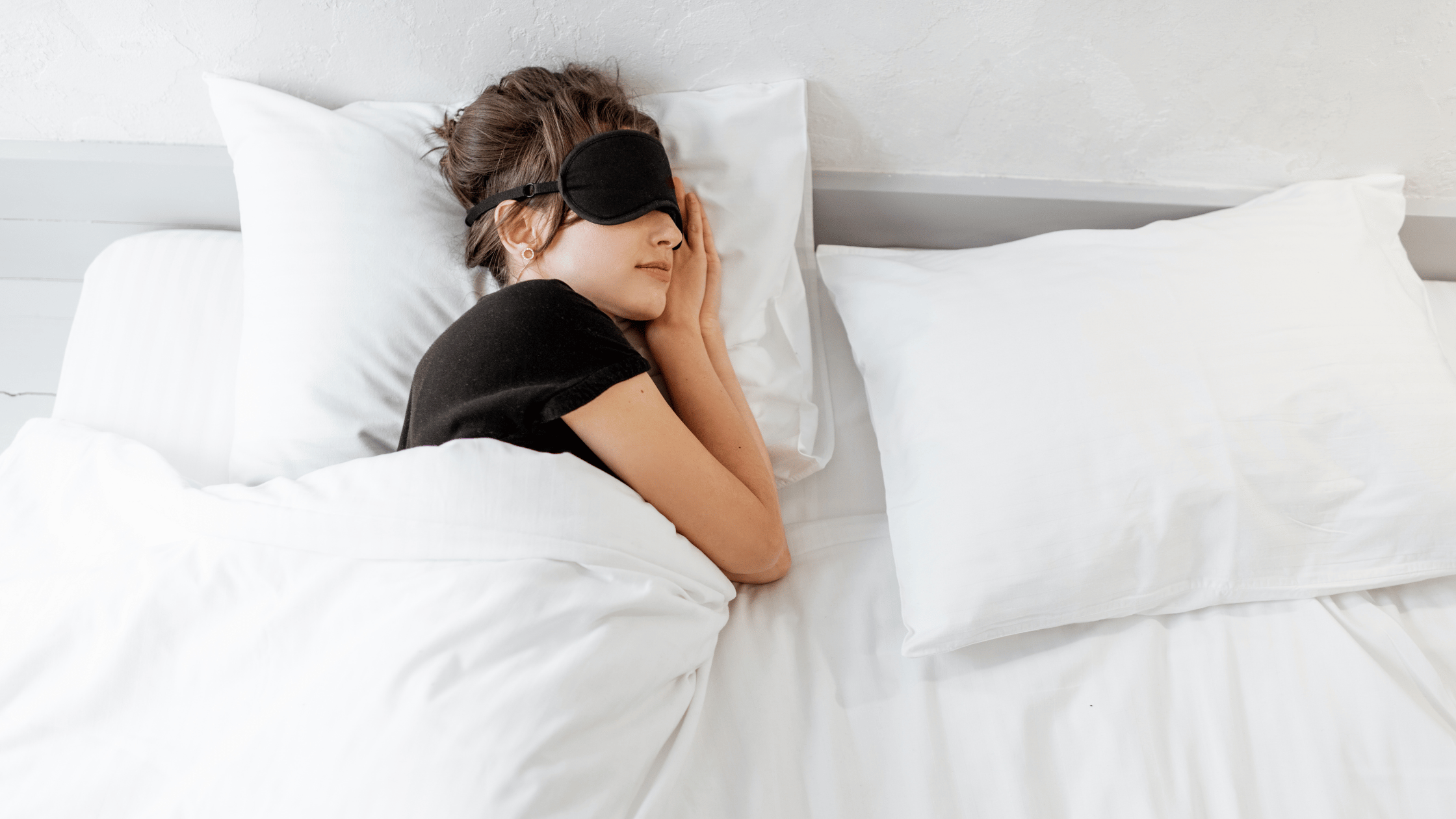
There are mornings when everything seems more complicated.
A slightly dry email annoys us more than usual.
A meeting that drags on seems endless.
Concentration is a game of hide-and-seek.
And often, the explanation is much simpler than we think: The night was not very good.
Sleep is sometimes seen as a private matter. Something that happens at home, away from work. However, its effects can be seen very clearly... in the office.
When sleep is lacking, concentration falls, the mood becomes more fragile and mistakes multiply. For example, a study shows that Employees who sleep less than 6 hours per night lose an average of 6 working days per year in productivity compared to those who sleep between 7 and 9 hours.
And it's not a marginal topic: 71% of employees say they have already taken a break or a day off due to poor sleep.
In other words: sleep does not stay at home. He comes to work with us.
This is also why the subject is beginning to interest organizations more and more. Because a tired collective doubts more quickly, gets tense more easily and cooperates less well. On the occasion of International Sleep Day, one question is therefore worth asking: What if sleep was one of the simplest and most underrated levers of mental health in the workplace?

Sleep and mental health: a very concrete relationship on a daily basis
Mental health in the workplace is often talked about through stress, workload, or professional relationships. But a much simpler factor also plays a decisive role: the quality of sleep.
A good night's sleep acts like a real reset. The brain sorts the day's information, regulates emotions, and recharges attention spans.
On the other hand, when the nights get shorter or more restless, the effects are quickly felt.
The next day, we can observe:
- More irritability;
- Less patience in exchanges;
- Difficulty concentrating;
- Fatigue that builds up over the days.
One study For example, show thatA single night that's too short can increase anxiety by about 30% the next day.
This is also why many specialists now consider sleep to be one of the pillars of mental balance, in the same way as physical activity or social relationships.
And in a work group, these effects never remain individual for very long.
A tired employee can feel overwhelmed more quickly.
A manager who lacks sleep may have more difficulty taking a step back.
An entire team can get into a tense rhythm without necessarily understanding why.
In other words: The quality of sleep directly influences the quality of work... and that of relationships at work.
{{testimonial}}
Work also influences sleep... more than we think
We tend to believe that sleep is a purely personal matter: “Am I sleeping badly? It is my responsibility.” In reality, work plays a huge, often silent, role in our nights.
There are several occupational factors that can interfere with sleep:
- The mental load : juggling multiple priorities creates stress that doesn't go away when you leave the office.
- Irregular hours : late meetings or delayed on-call disrupts the biological clock.
- Hyperconnection : emails and messages outside the usual hours prevent the brain from disconnecting.
- A sedentary lifestyle : sitting all day reduces the quality of sleep, because the body did not expend enough energy.
A few telling figures:
- Very sedentary employees present 37% more insomnia symptoms only those who move regularly.
- Atypical hours increase the need to “catch up” with sleep by 66%.
In short, sleep isn't just about self-discipline. He is closely linked to the way in which work is organized, to the culture of the company and to the rhythms that everyone adopts.
This is great news for HR managers and managers: we can act on this lever, often with simple and concrete solutions.
Acting on sleep at work: simple and effective levers
Sleep may seem “outside the scope of business,” but in reality, it exists simple levers to support teams and preserve their energy. Here are some concrete ideas.
1. Bringing fresh air back to the days
Too dense a rhythm exhausts, and fatigue quickly builds up.
Some possible actions:
- Encourage Real breaks, even 10 minutes away from the screens.
- Encourage the mobility : walking between meetings or organizing standing appointments.
- Plan the important meetings at the beginning of the day, when the attention is maximum.
The idea: Save time to breathe helps regulate stress and indirectly improves sleep quality.
2. Reducing hyperconnection
The brain needs to switch off to sleep well. Too often, work chases employees until the night.
- Clarifying expectations about Out-of-hours emails and messages.
- Encourage teams to turn off notifications in the evening.
- Propose “no meetings” or “focus” beaches to limit the constant pressure.
Small gesture, big difference: less stress in the evening = more restful nights.
3. Raising awareness without dramatizing
Sleep is not a medical problem, it is a Resource to be protected.
To get the message across:
- Share simple and telling figures on the impact of sleep on concentration and mood.
- Communicate Concrete stuff : ventilate your office, walk after lunch, limit late coffee.
- Highlight Internal testimonies To show that everyone can make progress.
The objective: Changing the Culture Around Sleep, not feel guilty.
4. Training managers
A manager attentive to the well-being of his team can prevent many situations of chronic fatigue.
- Raise awareness among managers about Identify signs of fatigue : increased concentration, irritability, frequent delays.
- Give Them Simple Tools to adjust the workload and support the team.
- Encourage the Benevolent Leadership, which values rest and individual rhythm.
The result: Teams that are more alert, more creative and less prone to stress.
{{testimonial2}}

Sleep is not a luxury. It is a Concrete resource That influences energy, mood, concentration, and cooperation at work.
Organizations have everything to gain from Take a Close Look at This Lever : adjusting rhythms, limiting hyperconnection, raising awareness among teams and supporting managers can transform fatigue into vitality.
On the occasion of International Sleep Day, the question is simple: What if the key to better mental health at work started... with a good night's sleep?
Because a relaxed collective is a more lucid, more serene and more efficient collective. And that's concrete.
{{testimonial3}}

“Many working people today make four main mistakes with their sleep: the first mistake is to Pressure yourself to sleep. This pressure creates real performance anxiety: “If I don't sleep, tomorrow will be a disaster”. This vicious cycle makes it difficult to fall asleep. Practices like sophrology can help to get out of this logic and return to the present moment.
The second mistake is to keep the brain in work mode in the evening. Many people go directly from work to bed without a real decompression chamber. Emails, notifications or preparations for the next day keep the brain hyper-active, sometimes even in bed. This is a problem, because the brain no longer associates the bedroom only with sleep. Added to this is the blue light from screens, which slows the production of melatonin, the hormone that prepares the body for sleep.
Third error: not recognizing true sleep signals. Many people confuse mental fatigue with the real need to sleep. The real signs are heavy eyelids, yawning, or decreased concentration. Going to bed too early without these signals often promotes ruminations.
Finally, an irregular sleep rhythm disrupts the biological clock. Many seek to make up for their lack of sleep on the weekend by waking up much later. However, keeping a relatively stable sunrise schedule is even more important than bedtime. That doesn't stop you from sleeping in or the occasional late evening, but it's helpful to know that these differences aren't conducive to quality sleep.”

Marie-Anne Cousin
“Sleep disorders rarely start with total insomnia. They most often appear through signals that are noticeable during the day, long before the nights really get bad.
The first sign is often tiredness that occurs earlier in the day : difficulty concentrating at the end of the morning, fatigue around 10—11 am or 15—16 pm, increased need for coffee or sugar. This may indicate that nighttime recovery is becoming less effective.
Another common signal is increased irritability or emotional sensitivity. Lack of sleep quickly affects emotional regulation, which can lead to more impatience, stress, or reactivity.
We also observe a loss of bearings in the face of natural sleep signals. When the brain stays stimulated too late (screens, work, stress), physiological signs such as yawning or heavy eyelids become less obvious.
At night, It may take longer to fall asleep : we gradually go from 10—15 minutes to 30—40 minutes, often due to more intense mental activity. Ruminations then appear: rethink your day, analyze the problems or anticipate the next day.
Finally, nocturnal awakenings are becoming more frequent or longer. Waking up briefly at night is normal, but when these awakenings last or are accompanied by ruminations, sometimes by looking at the time and putting pressure on yourself, it can be a sign that sleep is starting to break down.”
Marie-Anne Cousin
“The first habit to try to sleep better is to create a decompression chamber between the working day and the evening. When you get home, take a few minutes to lie down or simply sit down and practice 2 to 3 minutes of cardiac coherence breathing can help bring the pressure back down. If necessary, this can also be done in transport.
This breath: inhale 5 seconds through your nose while swelling your belly, then exhale gently for 5 seconds, activates the parasympathetic nervous system, that of calm and recovery. It can also be done at bedtime for a few minutes or until you fall asleep.
For lighten the mental load, it can be useful to write down important topics to be covered the next day in a notebook. This helps prevent the brain from rekindling these thoughts when it's time to sleep.
It is also recommended To avoid screens 30 to 60 minutes before bedtime, and especially in the bedroom. Ideally, it should remain associated only with sleep in order to condition the brain for this moment of rest.
In case of Anxious ruminations, a simple technique consists in mentally reviewing your day like on a movie screen: start with the less pleasant moments by saying to yourself “I'll do better next time”, then think back to two or three positive moments, even very simple ones, by saying to yourself “Thank you life”. This frees the mind before going to sleep.
Finally, some breaths can make it easier to fall asleep. For example, you can combine three exercises:
- A slow breath (inhale deeply then exhale longer) to calm the heart rate;
- The “square” breath (inhale 4 seconds, hold 4 seconds, exhale 4 seconds, hold 4 seconds) which structures and calms thoughts;
- Then a pictorial breath called “of the flower”, imagining a flower that opens on inspiration and closes on exhale, to be repeated until you fall asleep.”
Marie-Anne Cousin



%20(1).avif)





.avif)