Telephone addiction: recognize the signs of addiction and protect yourself from them
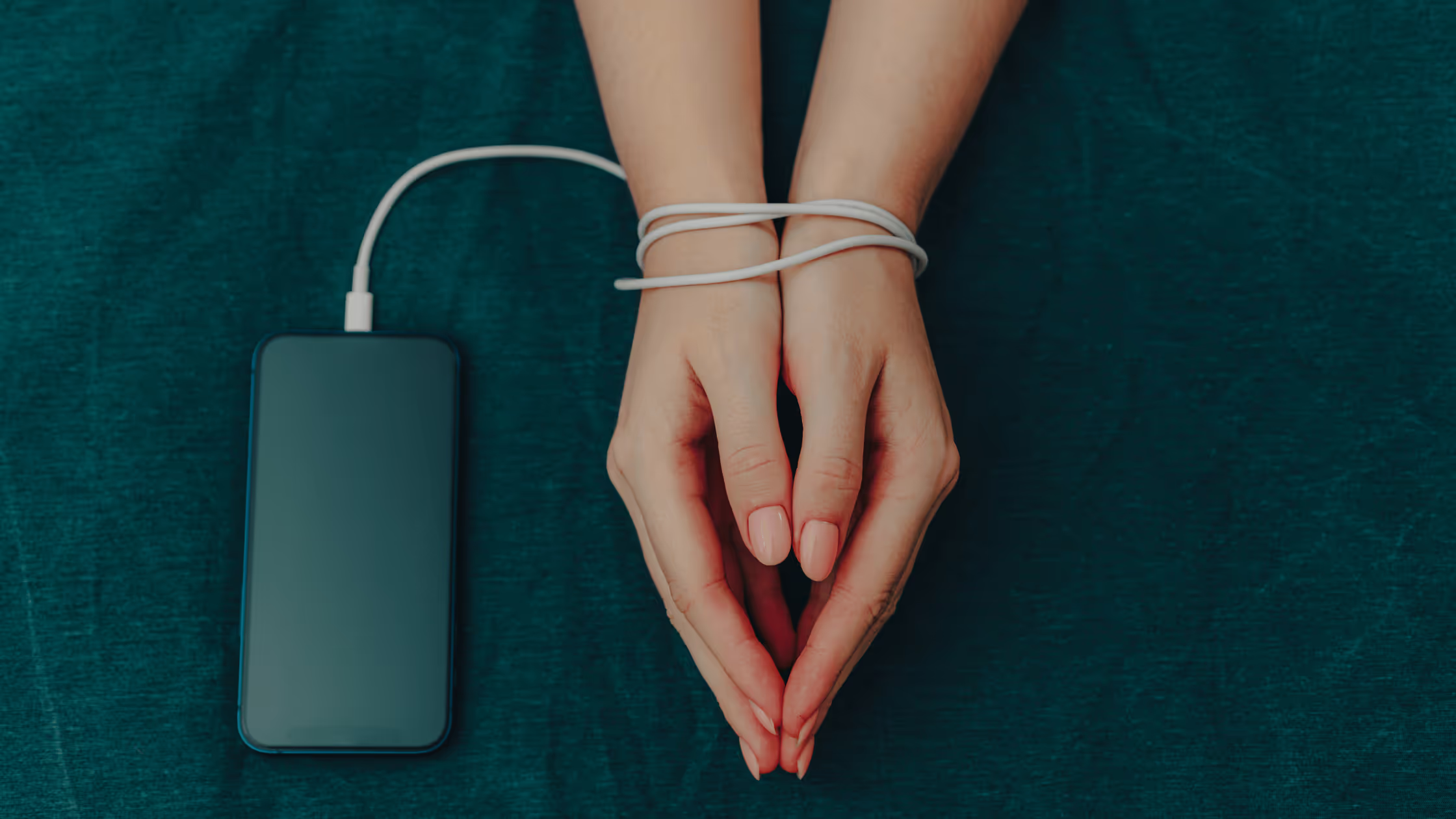
The rise of new information and communication technologies (NTIC) and the democratization ofInternet Starting in the 2000s, revolutionized digital uses and practices French people.
In particular, the equipment rate in electronic devices has increased exponentially in recent years, including among adolescents. According to the CRÉDOC Digital Barometer (2017), 73% of French people are now equipped with a smartphone. The mobile phone is a unique medium that combines several functionalities (calls, texts, emails, emails, social networks, information, online games, etc.), which makes it possible to put into perspective the significant exposure times on this screen: 1.5 hours per day on average.
THEInserm Define the addictions as brain pathologies defined by dependence on a substance or an activity, with deleterious consequences. It does not exist no scientific consensus around the concept ofCell phone addiction. On the other hand, the compulsive use that some people make of it can be similar to it. According to a study by Bouygues Telecom In 2018, the French unlock their smartphone approximately 150 times per day and 62% say they can't go without their phone for an entire day.
In the media, the term addiction is preferred to that of Nomophobia, a contraction of the English expression” No mobile-phone phobia ”, which refers to Excessive fear of being separated from your mobile phone or not being able to use it. This term was invented by the research organization YouGov, commissioned by UK Post Office, during a study on the anxieties suffered by cell phone users in 2008. Popularized by the American researcher Mr Crawford In his book Contact (2016), he joined Le Petit Robert in 2017 and was named Word of the Year by the Cambridge Dictionary in 2018, which testifies to the extent of the phenomenon.
Why do we feel the need to be connected all the time?
First of all, there is a sociological reason. Nomophobia is linked to FOMO,” Fear of Missing Out ”, which is the fear of missing a news or an event. Especially at work, the desire to be available or to be reachable by all, favorshyper-connectivity of employees, facilitated by digital tools in business. The smartphone also contributes to the erasure of the border between professional and private life. Moreover, there is considerable case law concerning the use of mobile phones for personal purposes by employees in the workplace.
Of neurological mechanisms complexes are also at work. Studies have shown that cell phone use activates the Reward circuit. The brain then releases dopamine, nicknamed “happiness molecule”. By reflex, you are likely to check your phone at the slightest notification. Les apps that are found on the cell phone are also specifically designed to capture and hold attention. This includes the ergonomics and aesthetics of the interfaces or gratuities distributed.
For the French journalist Judith Duomo, concerning social networks : “One of the most powerful psychological mechanisms of addiction is that of random and variable reward. It's all about not knowing if and what kind of reward you'll get this time.”

What are the main signs of telephone addiction?
They are as follows:
- The irrepressible need to have your mobile phone at all times On yourself or within easy reach, to consult it frequently or to respond immediately to each request.
- One assiduous use of the mobile phone, in any place and at any time: on the street, in class, at work, in public transport, in the supermarket queue, at home...
- The appearance of a Feeling of anxiety when a problem occurs (loss, oversight, bug or unloading the device for example)
Finally, a loss of control on the object reflects a potential addiction. Researchers at the University of Iowa have developed a questionnaire in twenty points for evaluating smartphone addiction, published in the journal Computers in Human Behavior in 2015.
What are the consequences of a cell phone addiction?
Sometimes we observe mood disorders, including irritability, but also isolation or Withdrawal : the person, concentrated on their cell phone, is less present and “abandons” those around them. This is accompanied by the lessening Of some cognitive abilities, such as memory, language, attention, and concentration. The younger generations, born with digital technology, are particularly exposed to the risk of mobile phone addiction.
Of physical manifestations anxiety is expressed: sweating, a feeling of suffocation, increased heart rate... The blue light emitted by the device disrupts the production of melatonin, the “sleep hormone”, and can lead to Visual fatigue, of sleep disorders or difficulty falling asleep in case of prolonged exposure. Numerous studies also criminalize airwaves technological devices, which would, in the long run, be dangerous to health. May also occur musculoskeletal disorders (TMS) in the neck, wrists or thumb, linked to poor postures and repetitive gestures. We also expose ourselves to the risk of digital burn-out.

How to fight against cell phone addiction?
Several tips are quite simple to implement to learn how to unhook from your smartphone:
- Try, as much as possible, not to bring work home in the evenings, weekends, or on vacation
- Set up your device to avoid constant distractions, for example, deactivate most notifications and switch your screen to black and white to make it less attractive
- Mute the phone, airplane mode or “do not disturb” when you don't need it
- Try to stop looking at your phone in the presence of other people, during meals, etc.
- Place your mobile phone outside the bedroom at night (it is better to invest in an alarm clock rather than using the alarm on your smartphone)
- Establish limits in terms of browsing time or number of consultations, or even undertake a Digital Detox.
- To get out of the Fun and time-consuming “loop” of our applications, diversify the sources of well-being and replace the use of the telephone with other pleasant activities (sport, meditation, reading, outings with family or friends...)
Of beneficial effects are observed in people who reduce their intake. If it is difficult to regulate its use, maybe it's a sign of addiction. La psychologist French Carine Grzesiak then recommends a therapeutic follow-up. In particular, telephone addiction can translate or exacerbate other ailments.





%20(1).avif)





.avif)