New technologies: how to prepare for the future of work?
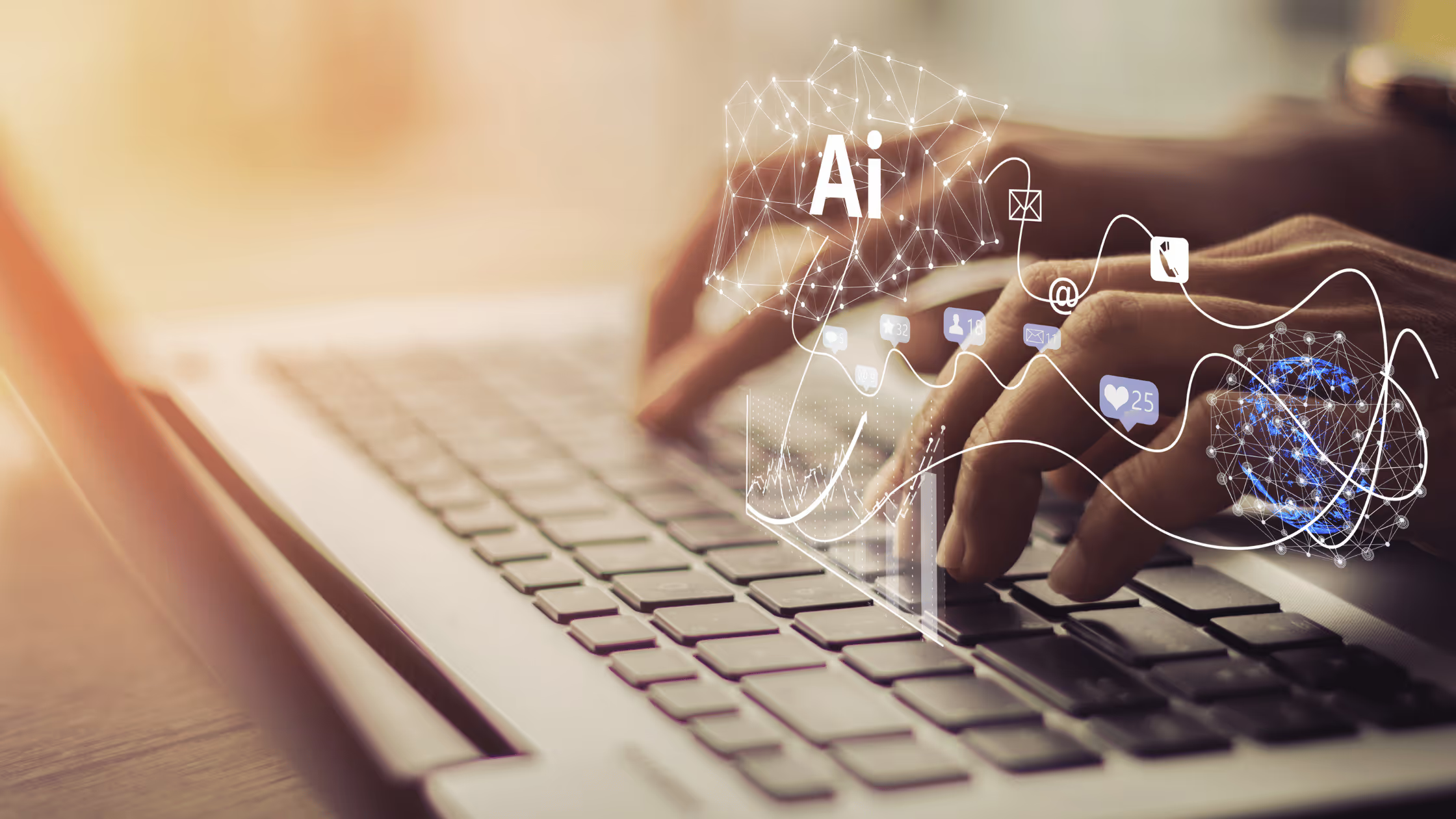
New technologies, and in particular artificial intelligence (AI), are rapidly transforming the way we work. Adapting to these changes is essential to remain competitive and take advantage of the opportunities offered by these innovations. But what does the concept of AI really mean?
Understanding artificial intelligence
Artificial intelligence is a technological field aimed at creating systems capable of replicate certain human cognitive functions such as learning, reasoning, or decision making. Since its beginnings, AI has evolved a lot, going from simple programs to sophisticated systems capable of natural language processing, image recognition, or behavioral prediction.
This rapid evolution raises questions, concerns, and preconceived ideas, which it is important to clarify in order to be better prepared.
Concerns and perceptions around AI
Several obstacles to the adoption of AI are frequently cited:
- The fear of job loss : many fear that machines will replace humans, especially in repetitive tasks. However, The AI also creates new functions and allows employees to focus on more creative and strategic missions.
- Resistance to change : changing established work habits can generate reluctance, both among employees and managers. Clear communication and a better understanding of the benefits reduce this apprehension.
- Complexity and lack of skills : advanced technologies may seem difficult to master. However, more and more tools are becoming accessible and training courses exist to fill this gap.
- Ethical and confidentiality issues : the use of personal data and the possible biases of algorithms raise legitimate questions. Responsible adoption requires clear regulations and transparent practices.
Addressing AI with a balanced and realistic vision is essential for maximizing its benefits while limiting risks.
Embracing change and integrating AI
The successful integration of new technologies is based on preparation, training and support teams. Several levers need to be activated:
- Training yourself and your teams : continuing education programs, identifying “technological champions” and encouraging self-learning make it possible to keep skills up to date.
- Communicate and manage expectations : clearly inform about what technologies can bring, set realistic goals and regularly gather feedback to adjust implementations.
- Evaluate technological capabilities : test solutions through pilot projects, understand their limitations and analyze data to measure impacts.
- Adopt gradually : integrate technologies in stages and align their use with the company's strategic goals to create added value.
Anticipating the future through design fiction
The Design fiction is an innovative method for imagining plausible scenarios around the evolution of technologies and their impact on work. By exploring different possible futures, businesses can anticipate change, identify opportunities, and develop more flexible and robust strategies.
Turning challenges into opportunities
Artificial intelligence and new technologies are not only sources of complexity or concerns. Well integrated, they offer the possibility of reinvent working methods, improve productivity, and foster innovation. By supporting and accompanying employees in this gradual change, it becomes possible to remove psychological and technical obstacles, while building a more collaborative and motivating work environment.




%20(1).avif)





.avif)